


A fortnight ago, I had the opportunity to pay my respects to a blessed shrine to the brave Swiss soldiers who died for their cause 510 years ago, at the Battle of the Giants (13-14 September 1515).
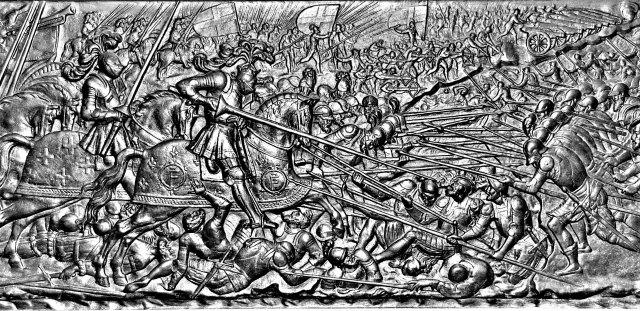
Back then, the Swiss were the stuff legends are made of. Their martial prowess was second to none. When they took the field, they played to win. No condottiere games in store for the Swiss.
Even Macchiavelli admitted it in 1513, that the “Stettono Roma e Sparta molti secoli armate e libere. E Svizzeri sono armatissimi e liberissimi.” In other words, for a long time, Rome and Sparta were armed and free. The Swiss, too, are armed and free.
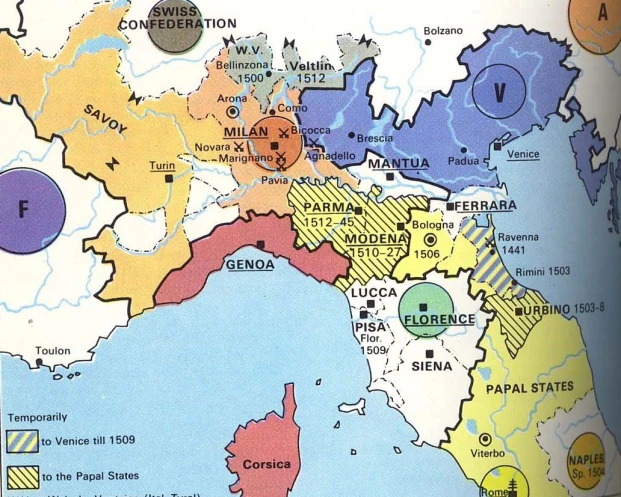
By 1515, the Swiss were the arbiters of northern Italy and the Milanese, where they decided who ruled and how. Unfortunately for them, their martial prowess was not matched by political unity. This is why, only half of their corps decided to fight the French-Venetian allied armies that descended upon the Milanese early that fall.
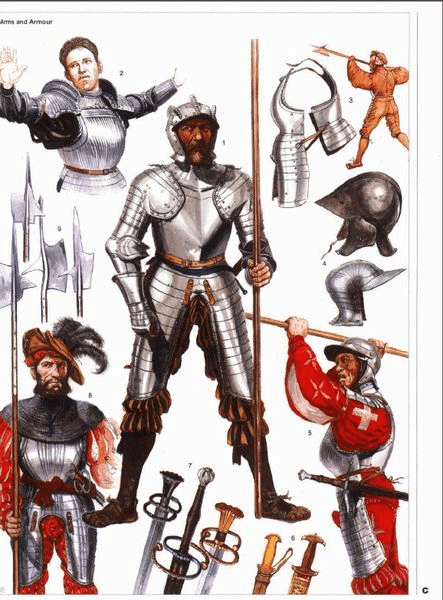
Swiss bravery was only matched by their loyalty to the Holy Father, who BTW was in league with them against the goddamn French.
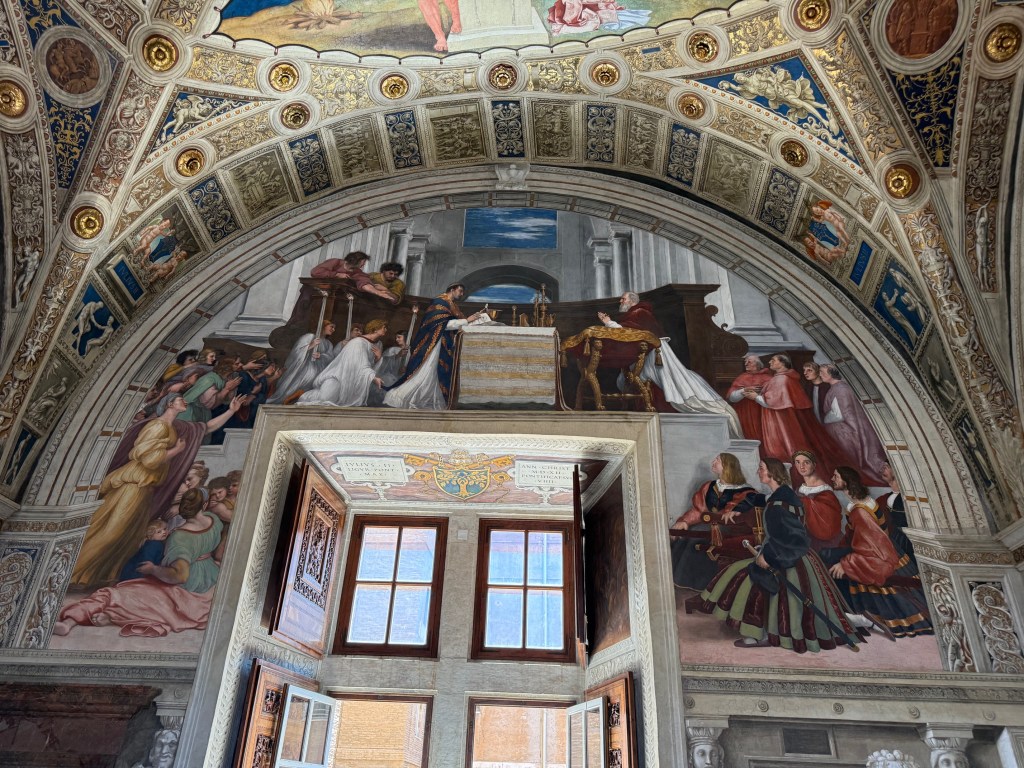
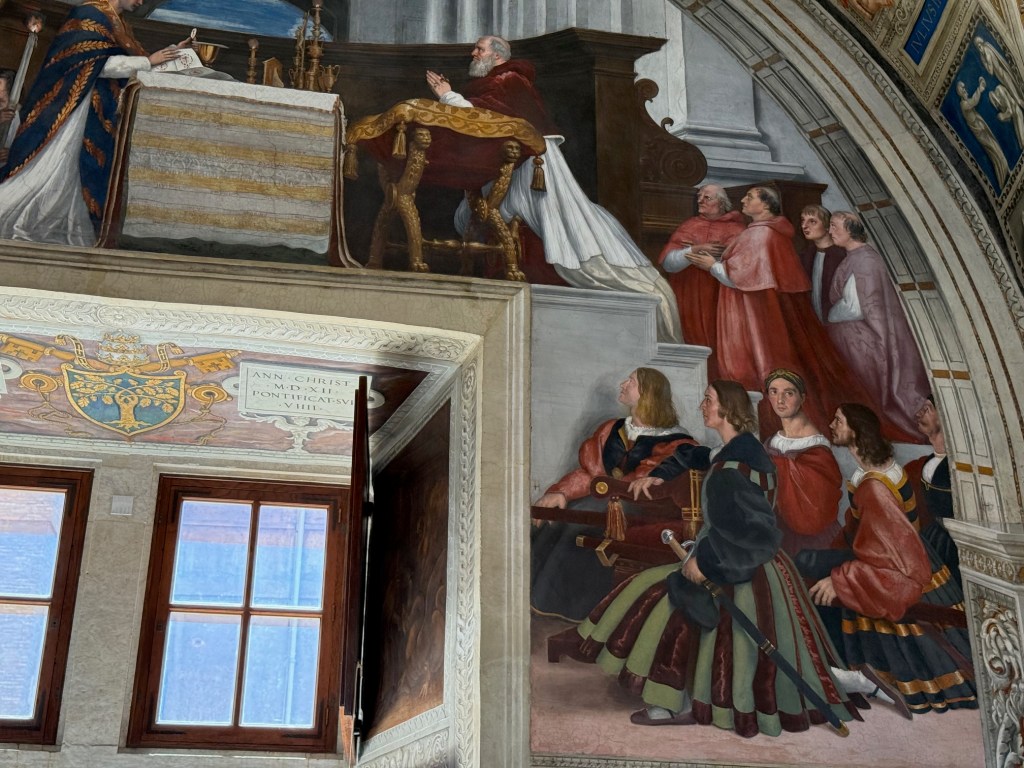
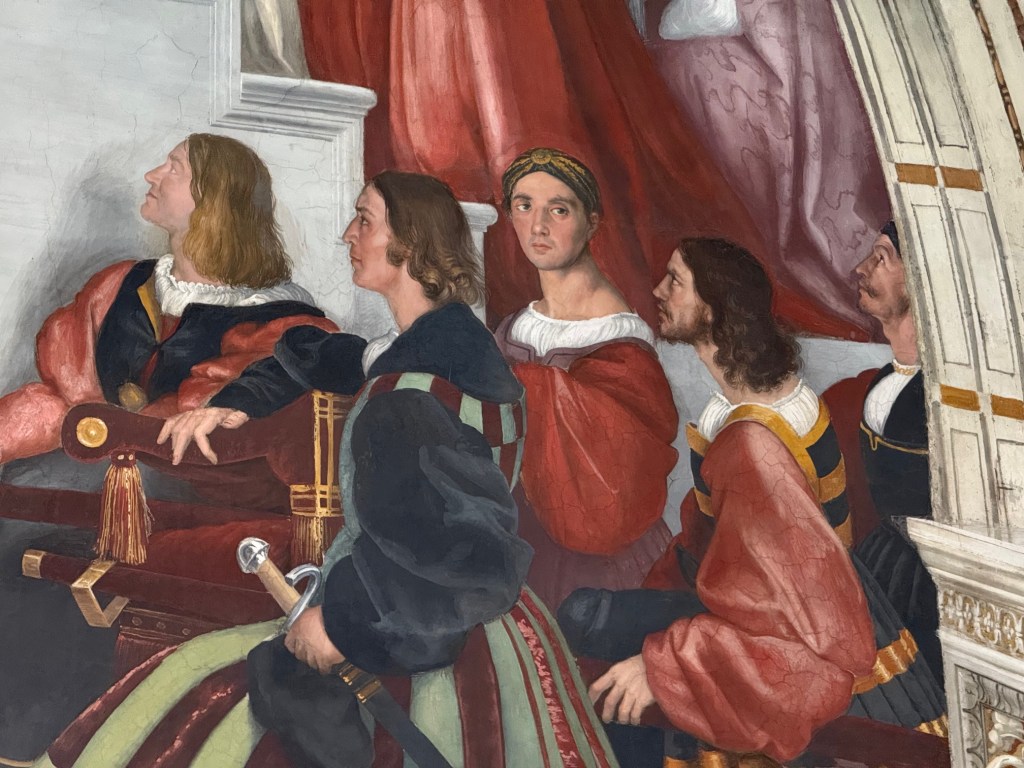
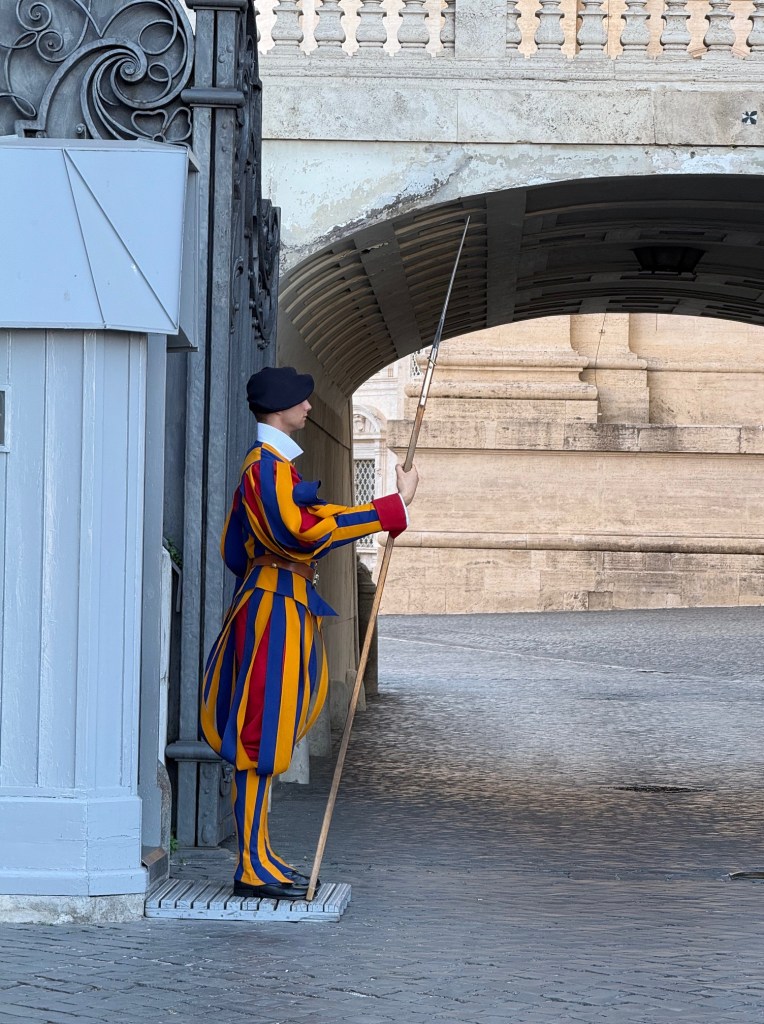
That is the look of loyalty and fealty, ladies and gents. In 1512 and in 2025. Enough said.
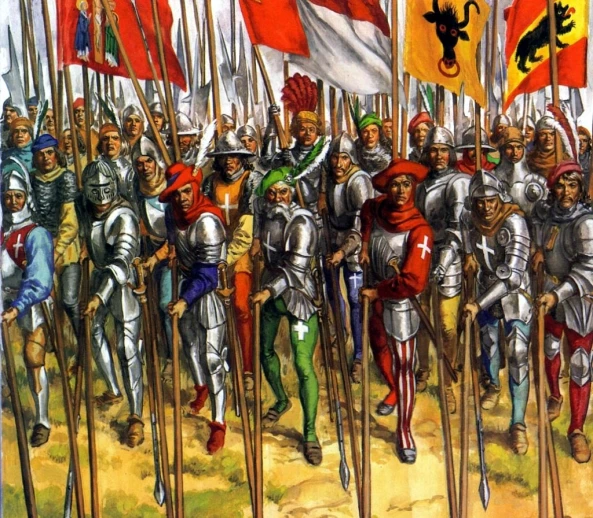
Their tactics and discipline was legendary then and now. They always attacked fast and hit the enemy running. Damn the torpedoes, the cannon balls, the losses, always vorwarts and with their pikes and halberds in front, they rushed the foes.
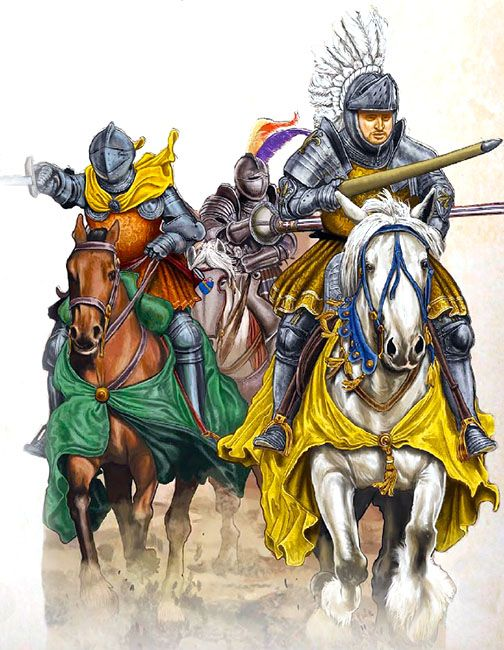
The opposing forces
These brave men…
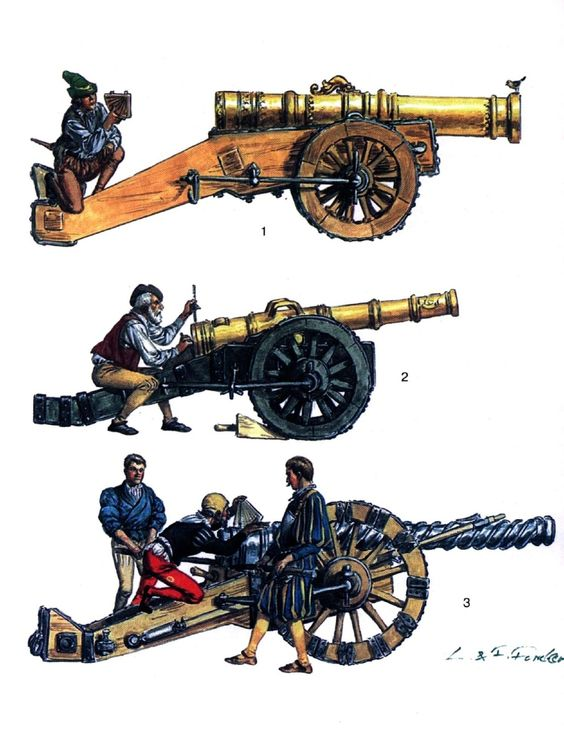
rushed 72 of these cannoneers.
… and almost won the day.
The battle began with almost 20,000 Swiss pikes/halberds rushing 40,000 enemies. Imbued by the deep bass of their Alpine horns, the Schweizer attacked head-on.
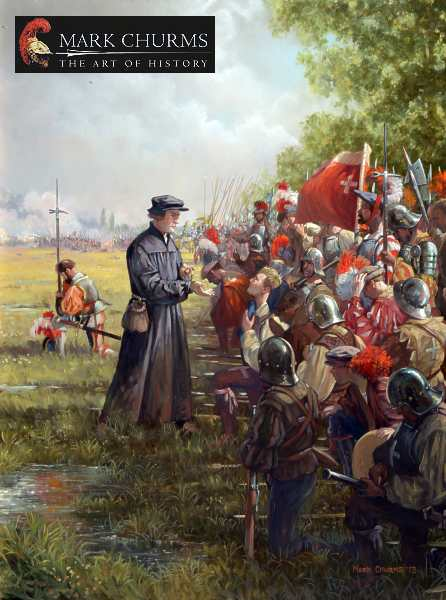
A “forlorn hope” of 2,000 men, commanded by Captain Werner Steiner, swept forward to overrun and silence the French grand battery in the center. Theirs was a suicide mission, and before advancing, Captain Steiner threw a handful of dirt over his men, intoning,
“In the name of the Father, the Son, and the Holy Spirit. This (battlefield) will by our churchyard”. His men knew their graves would be dug on this field. Still, it was vital they clear the way for the three massive echelons that followed.
These were not men. These were giants. Upon their shoulders lay the duty to die to open the ranks of the bloody enemy so that their brethren may prevail.
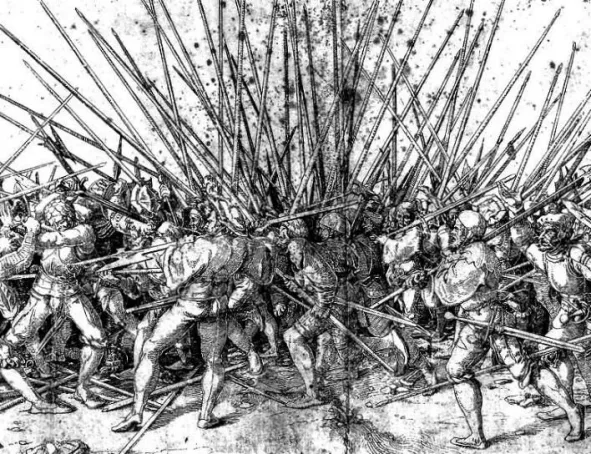
The Swiss took 1,000 casualties to cannon and small arms fire in the first 5 minutes of the bloody engagement.
Undaunted, they advanced still, capturing 12 French cannons, and defeating the first line. French reinforcements, German landsknechts of the Black Legion, and gendarmes plugged the hole, and after 30 cavalry charges, stopped the Swiss advance.
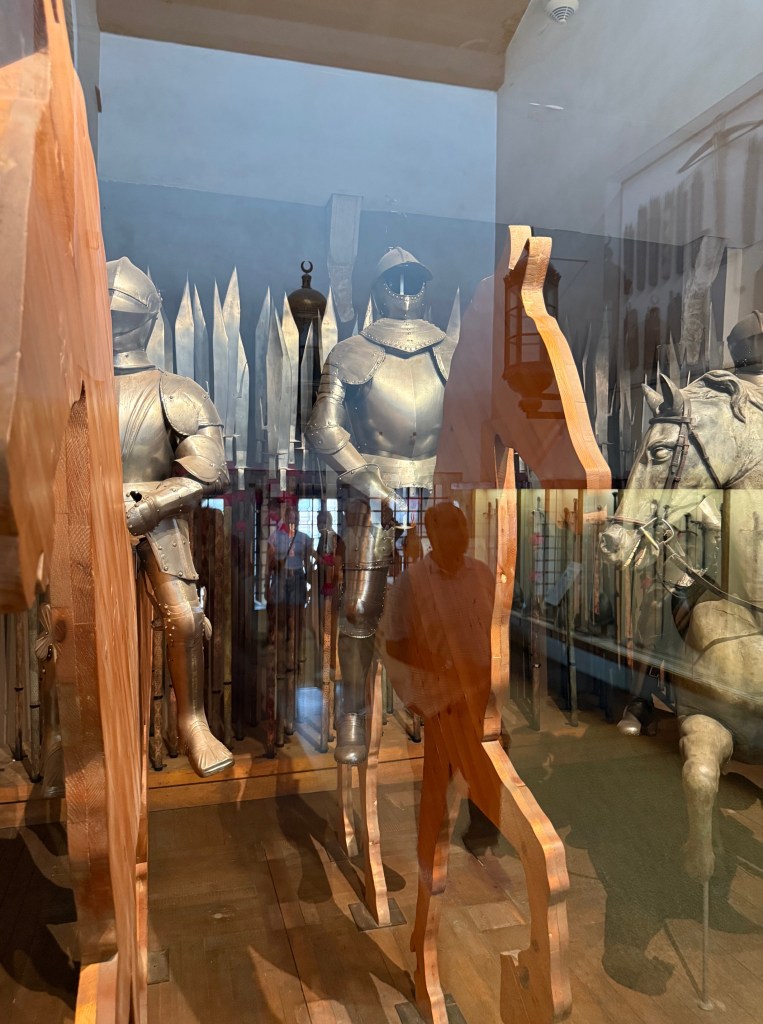
30 charges, ladies and gents, 30 different cavalry charges mounted by men in plate armour suits, on gabardined horses.

The battle was epic. The losses monumental. Brave were the Swiss, but yes, also their foes. And yet, the night turned in over a French King, whose armour had been dented by Swiss halberds, and who was reduced to drinking bloody, soiled water from a ditch.
Next morning, Chevalier Bayard instructed the artillery to concentrate fire on one Swiss division only. After which, the gendarmes deployed again.
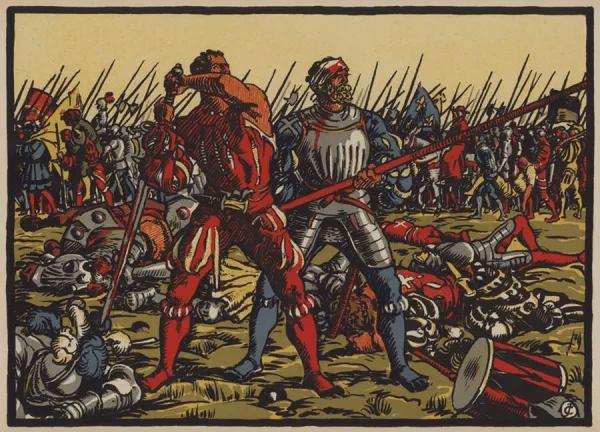
A terrible melee ensued…

And still the Swiss kept advancing towards the French guns mauling and tormenting them with their relentless fire.
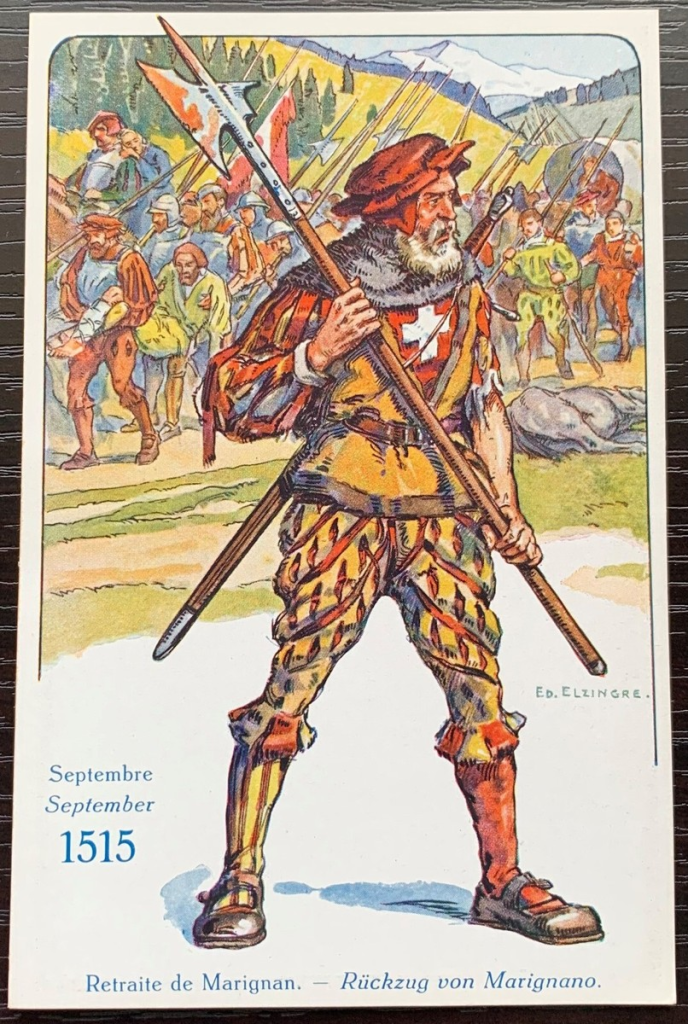
If Alviano hadn’t arrived from Venice during the afternoon, the French would have been defeated. Yet, this was not to pass. Instead, Venetian reinforcements decided the issue. The Swiss knew they were beat and started withdrawing in order and fighting rearguard actions to protect their divisions.
Theirs was not a deroute – a rout. This is when, singular people died wrapped in their cantonal standards, so that their fellow soldiers may live to tell the tale.

When all was said and done, this battle broke the Swiss determination to assert themselves as a great power in European 16th century geopolitics. Perhaps they were not ready to do so as a state. Because at this juncture, the Old Confederation was but a loosely-knit pact between very different jurisdictions that had just entered/was about to enter the Religious Wars phase.
Suffice to say, the initiative to gain Big Power status had been lost. Still, soon thereafter, the Federal Diet chose to enter into a treaty with the French Crown that would guarantee employment to Swiss mercenaries for the next three centuries, effectively cementing Swiss military reputation, and ensuring its de facto neutrality up until the Napoleonic invasion and Act of Mediation.
Conclusion
I hope I was able to show you why and how much I care about Swiss history and what made me a Swiss history buff in the first place.
In the end, all I have to say is this. Any country that breeds this kind of people and that remembers their deeds is worthy of our admiration.
Switzerland is a great little country because it maintains and loves her history and respects her fallen. I admired Switzerland from afar for the past 25 years or more. I value the Swiss Confederation even more after spending just four magic days in Bellinzona, Zurich, Zermatt, and Zentral Schweiz in Luzern, Buoch & Altdorf.
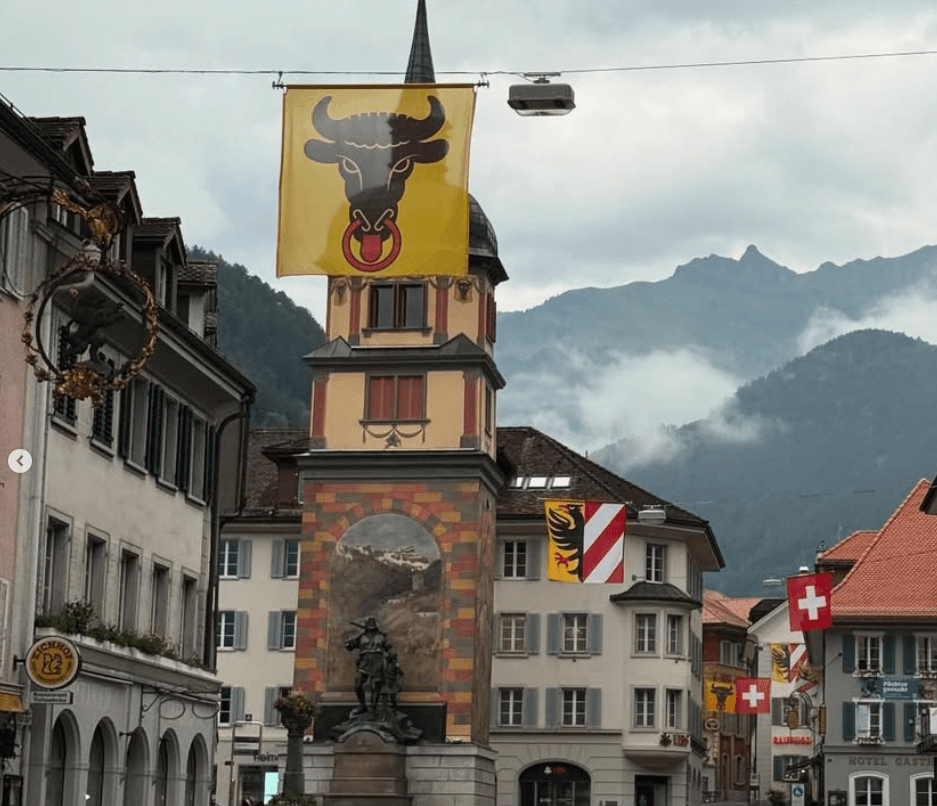
Vive la Suisse! Vive la liberté!
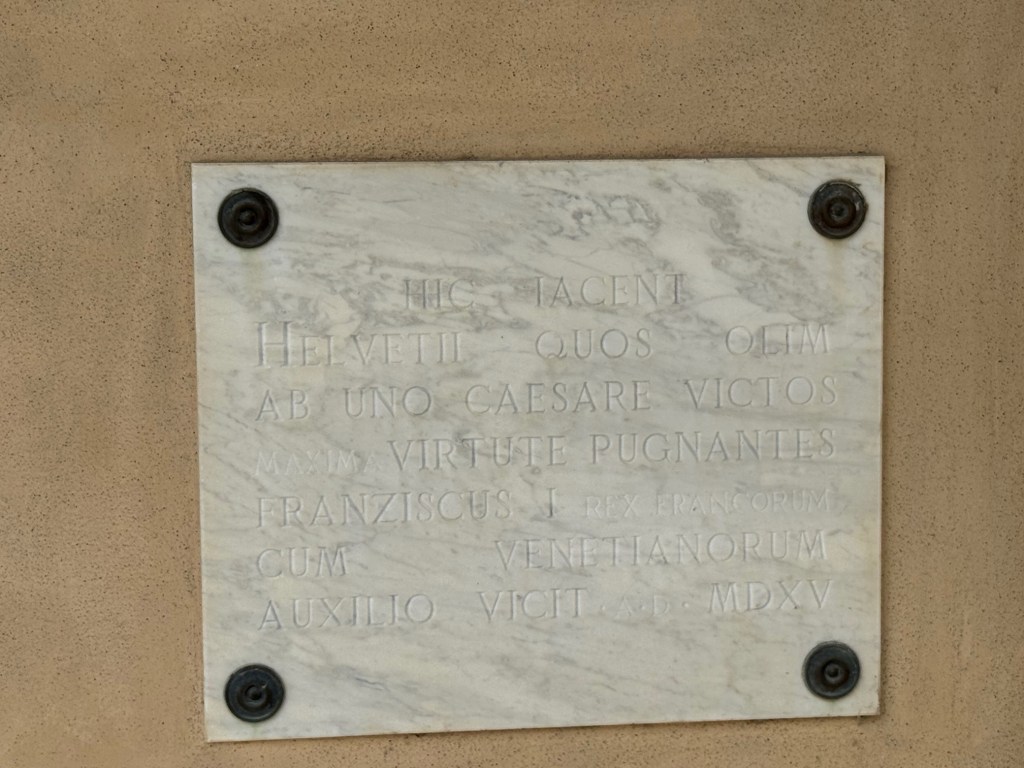
“Here lie the Helvetii, who once upon a time were defeated by Caesar Francisc I, King of the French, with the help of the Venetians, in spite of their brave fighting.”
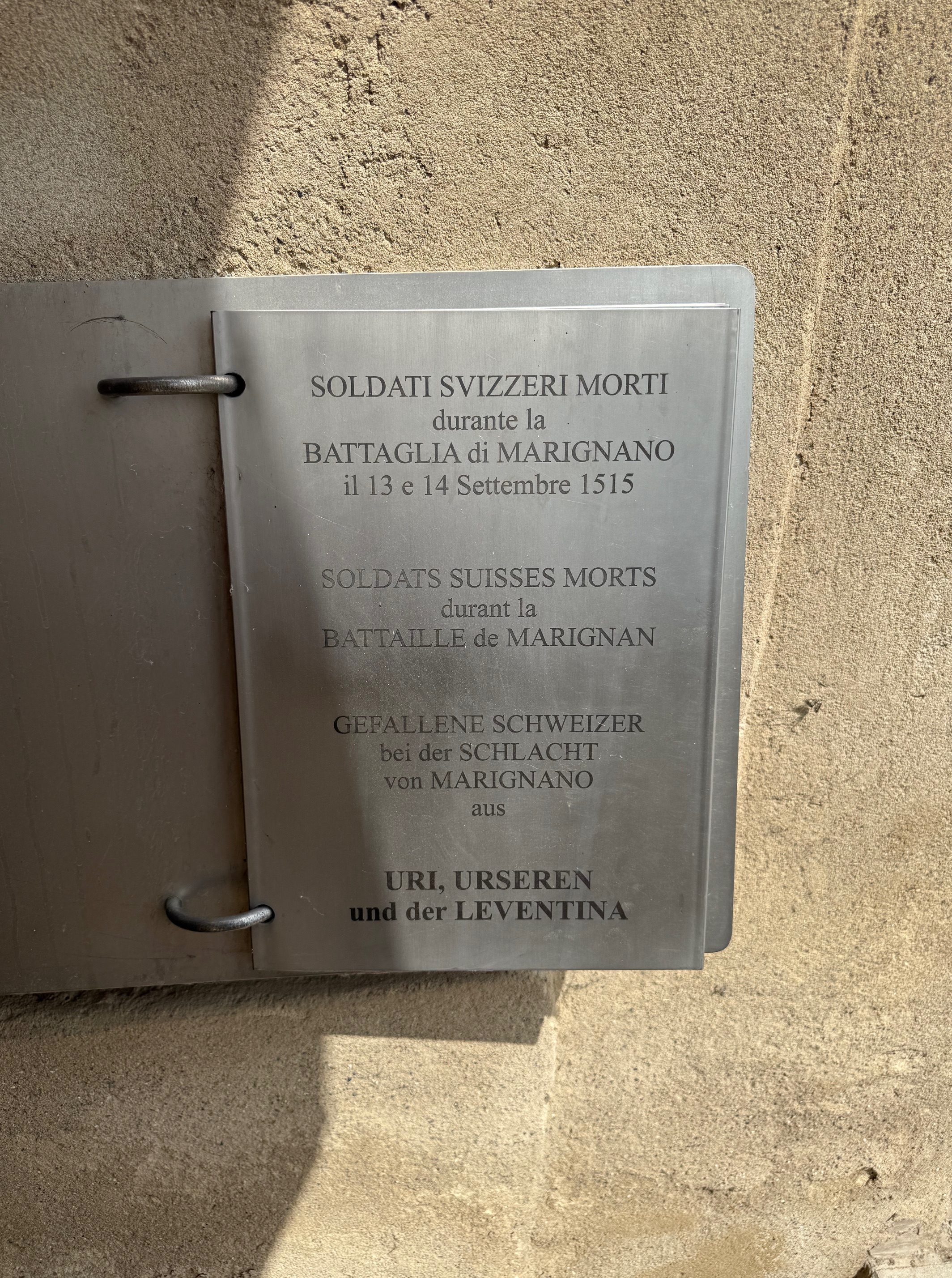

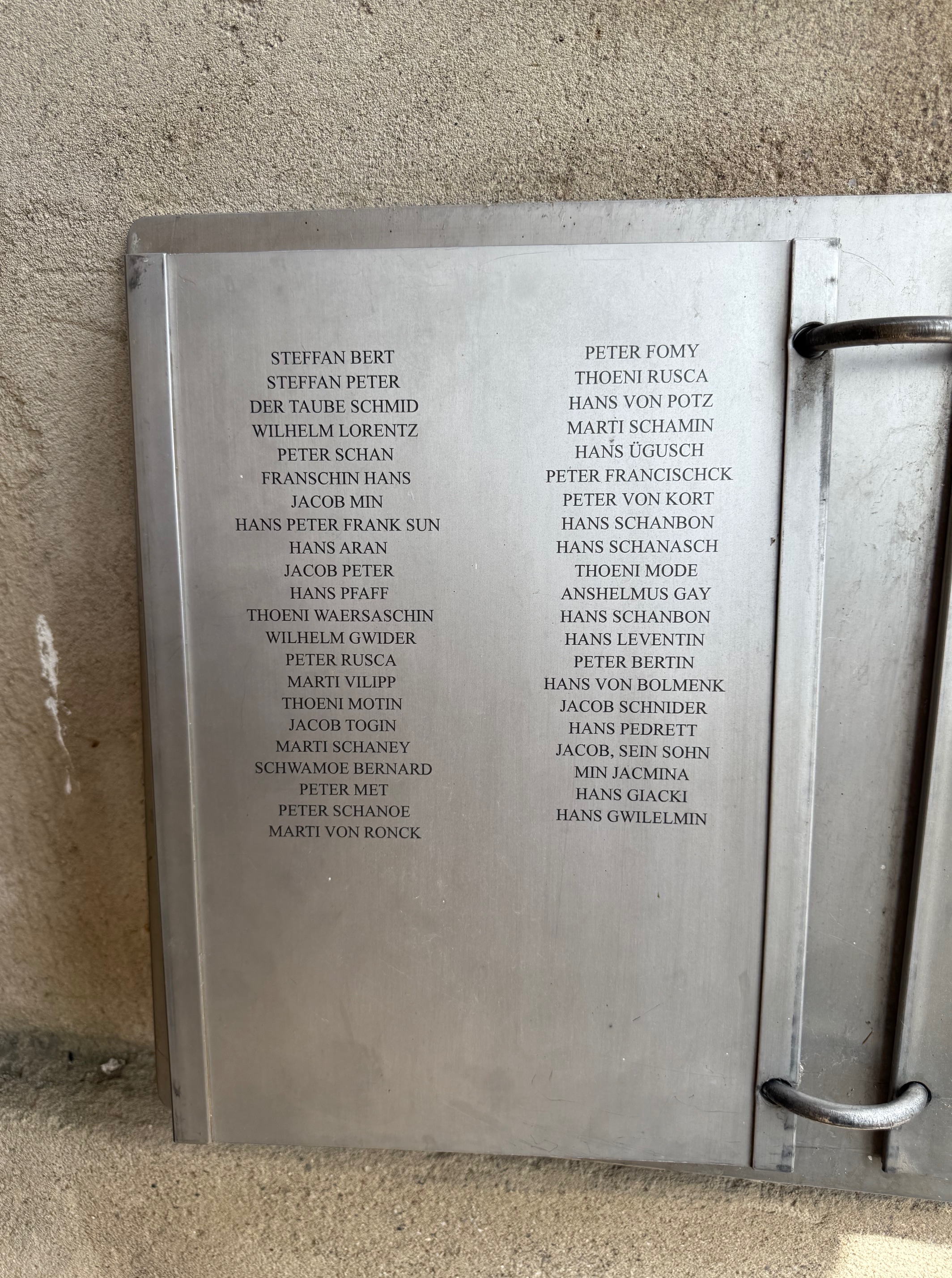
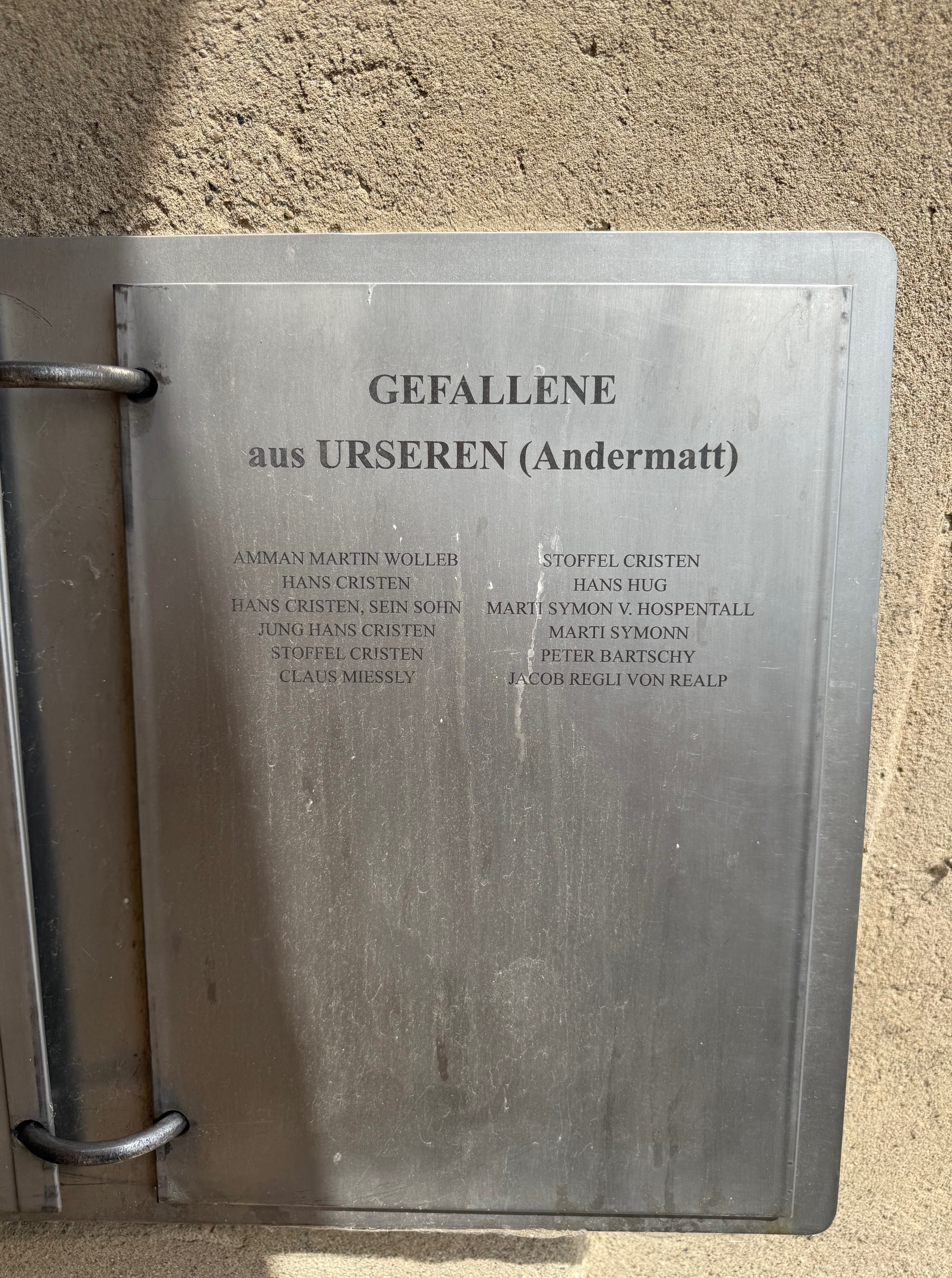


The Annals of History will show that the Battle of Marignan was where the Switzers fought an army twice their size armed with The Artillery Park of the day, for two straight days. And that without the last hour arrival of the Venetian cavalry, would have defeated the French then and there. For this feat, some 10,000 Swiss and close to 7,000 French/Venetians fell during those monumental September days.
And yet, France or Venice did nothing to preserve the memory of their fallen. Sure, you may say, there are a lot of songs, sculptures, or even paintings depicting the royal king of France as the hero of the day. But what tribute did the French or Venetians pay to the little man? You know those who bled for their monarch or doge. Not a thing.
And this is why, folks, it is not worth caring too much about daily politics or your polis, because your country is most likely to forget your name as soon as it sacrificed you on the altar of their erstwhile interests, whatever these may be.
Unless of course, we are talking about Switzerland, that will honour your name for centuries.
And that, my friends, is how I would describe myself to someone who cannot see me.
For all others, this is me…
 Götterdämmerung