

The British historian Antonia Fraser had this to say about the lessons of the 17th century Anglo-Dutch wars for hegemony:
A mountain of iron will always defeat one of gold.

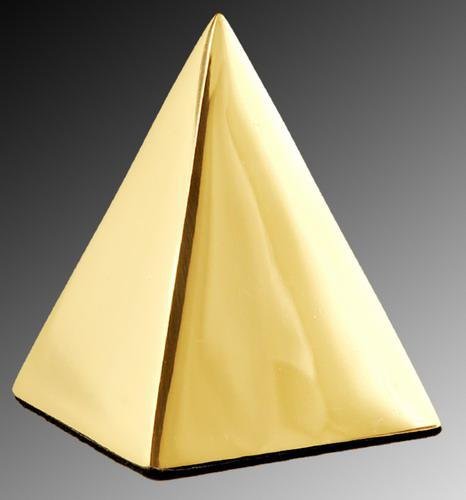
And of course she was right to say it. Because after 3 wars waged in that century, Holland was no longer a primary world power. But England had just become one.
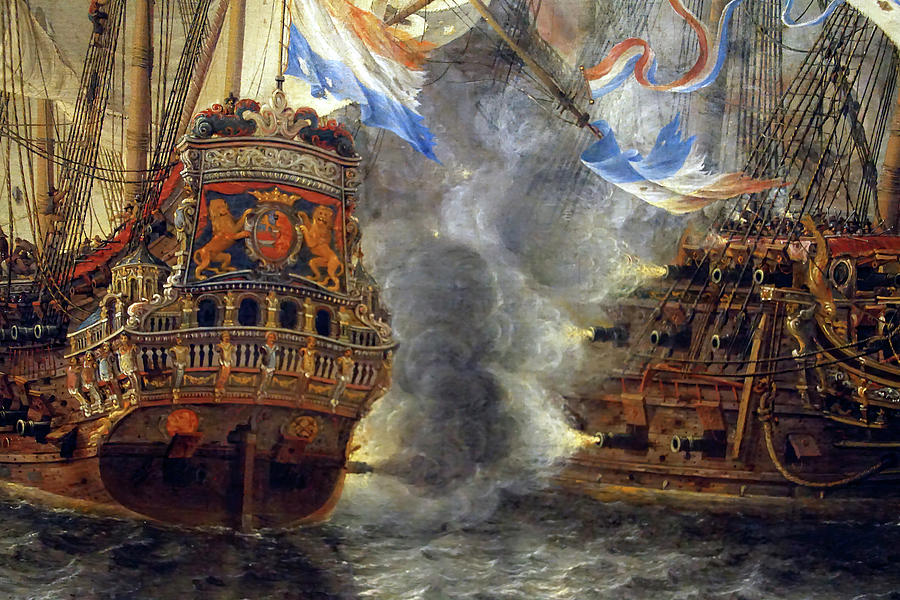

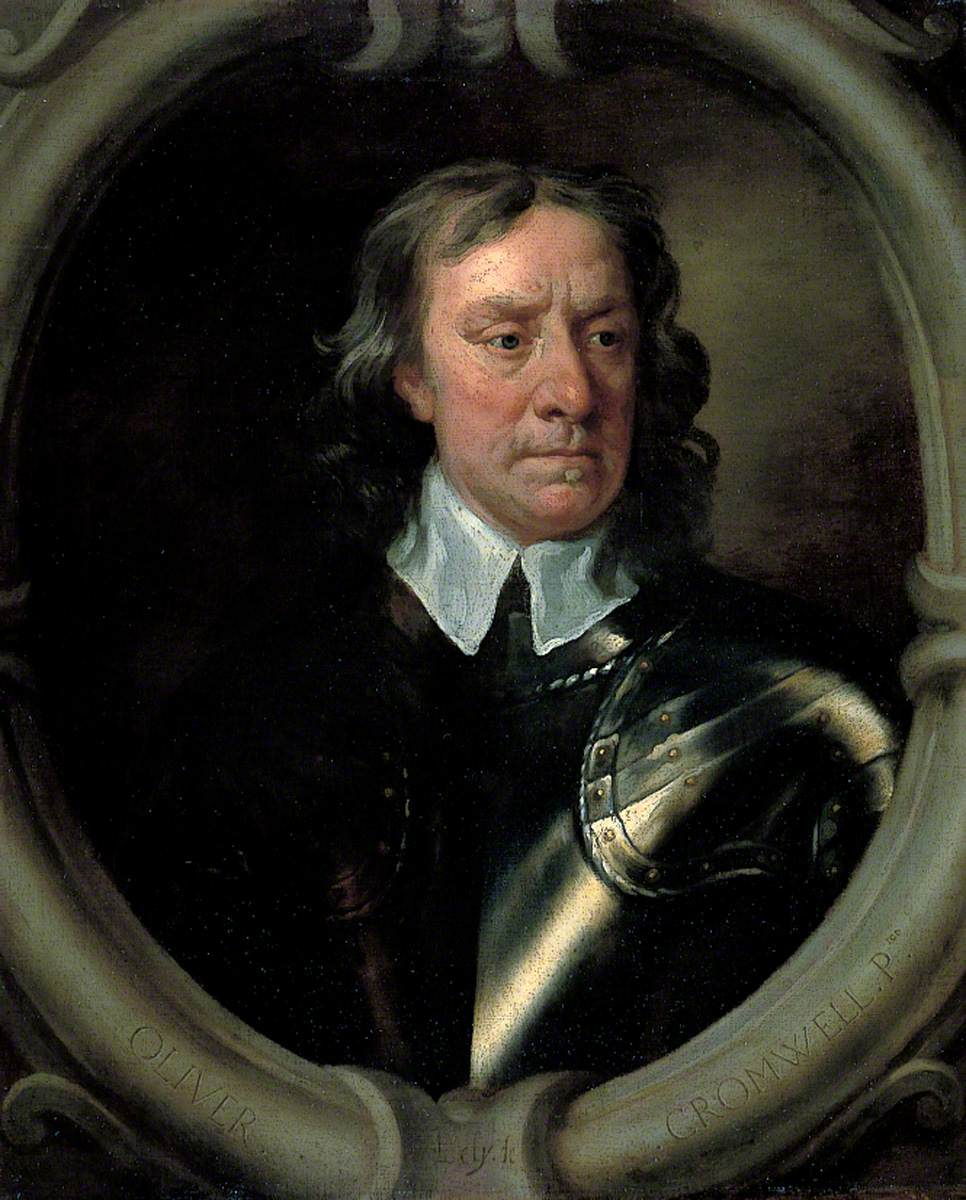
In her analogy, England was the mountain of iron for it had not only defeated the very best of Dutch sailors like de Ruyter, Tromp and others. She also broke the Seven Provinces’ stronghold on international commerce and displaced the Dutch from America. England managed to replace Holland at the top of the international food chain… and did it all in the space of two generations, while also dealing with its own Civil War (1642-1651), regime changes, a Great Plague (1665) and a Great Fire (1666). How incredible is that, eh?!
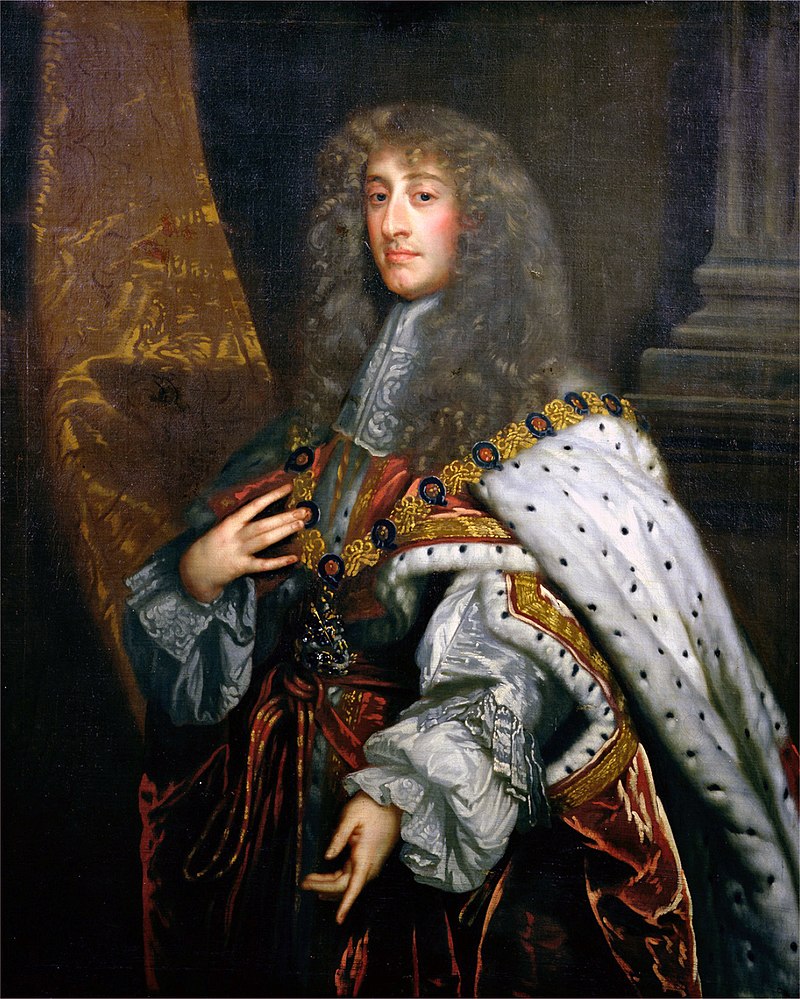


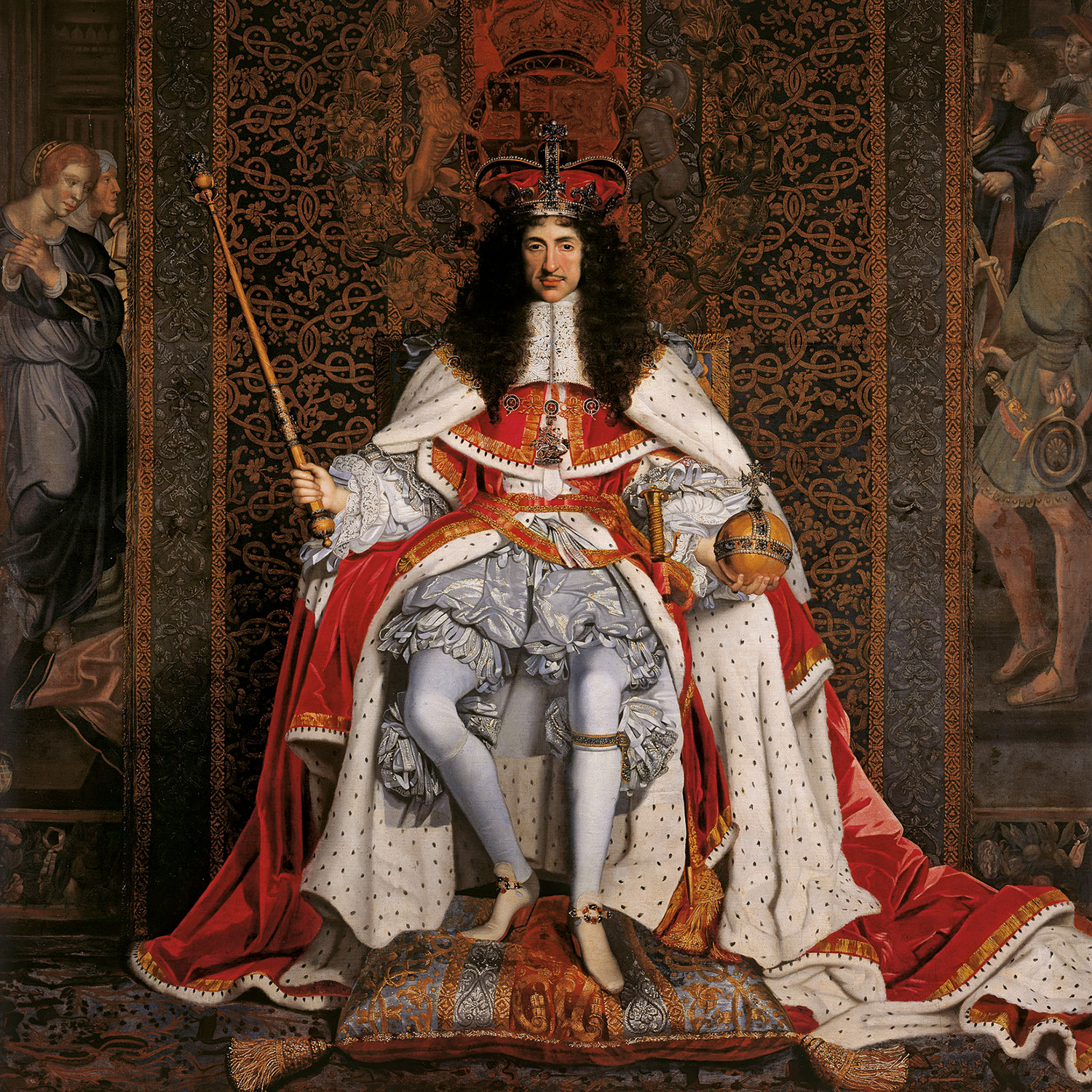


By the reign of Queen Anne (1702-1714), the United Kingdom ruled the waves and affirmed itself as the first true hegemon of the 18th century. At least when concerned with sea power. It is true that on the continent, France was going to give her a run for its money for the next 150 years.


But this is not just a history lesson. This is more about another epiphany I just had on my way to picking up my daughter from the bus stop.
I was listening quite closely to what former Swiss Army Colonel, Jacques Baud, had to say about the causes, operations and outcome of the first year of Russia’s military intervention in Ukraine. To be honest with you, this gentleman never ceases to amaze me with his logic and intelligence.
Speaking to the lack of effectiveness and impact of Western sanctions on Russia’s economy, Colonel Baud ascribed this to the capital difference between the economy of the West and that of Russia.
You see, our economy here in the West is predicated on services. We produce little else. We used to produce most of the world’s industrial output and a good chunk of agrofood products. But not anymore.
Well, Russia has always been a net resource exporter and since the 2014-round of economic sanctions that were meant to cripple its economy and lead to social unrest that would topple Putin but which failed to do so, Russia has also become self-reliant and a closed system.
Russia is now dependent on no one, except China. But then again, so is everyone else. But even there, Russia and China both form a perfect economic union based on self interest.
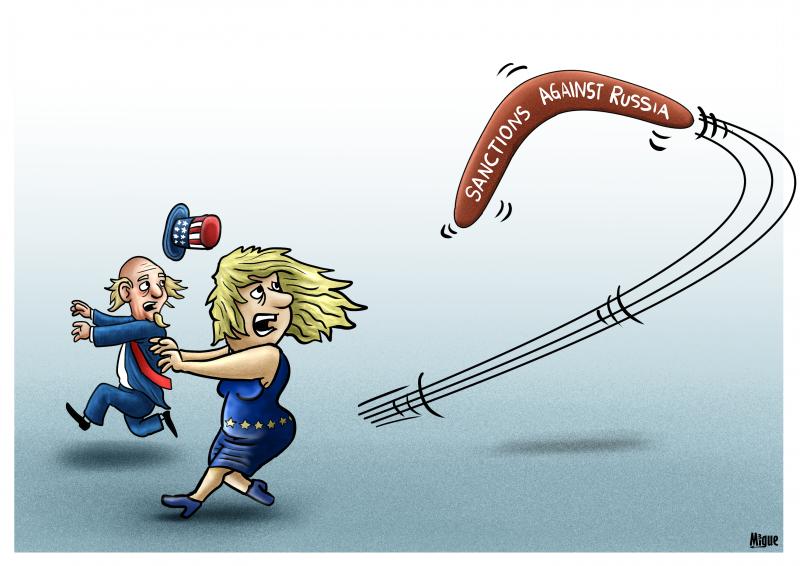
Coming back to the toothless nature of Western economic sanctions, Russia’s economy not only did not shrink; but in 2024 it will grow more than any of the EU countries that sanctioned her.

So yeah, it turns out the sanctions have had a perverse and counterintuitive effect of boomeranging back into their initiators.
And this is exactly because the West creates money by moving money via the Facebook economy. This is based on speculation. Companies producing viable articles that sell good on the market, eventually go bust under the pressure exerted by speculators and crooks on the stock exchange. It’s a question of timing, and exerting financial pressure by shorting or longing the share prices of a given publicly traded company. No added value is produced. Yet, fortunes are lost and made, via speculatory practices.
It is a corrupt system that doesn’t really create anything new under the sun.
Whereas, Russia’s economy is at the antipodes, for it’s predicated on agrobusiness. Russia choses to feed her people, who can then go into industrial plants and create machines that produce the stuff that makes the world go round.
And of course, other people go out and harvest the power of the atom, by mining uranium, or oil or gas or any other resource the real world needs to build and power those wonderful computers the speculators use to move money and create more money by financial gimmicks.
Western economies are tertiary, hence service-based, speculatory and predator-infested eco-systems. Russia’s economy is primary and secondary based, resource-heavy, production oriented with a robust agro-industry component.
While the Western economy is dedicated to organizing itself around financial services devoted to sustaining a fiat currency system, Russia’s is based on exploiting resources, transforming them, building stuff, developing physical, tangible assets that people can touch and work with. This does not mean Russia ignores the new technologies like AI or the Internet. In fact, it fully embraced the digital transformation.

Russia and the other BRICS are well on their way to returning to the gold standard, which will be the fulcrum around which their new common currency will pivot. The BRICS know too well that people want to be able to hold something concrete in their hands when it comes to wealth. And if they learned something from the free market economy, it’s exactly this.
Give people what they want.
The West has based its economic model on an illusion that has no anchor into reality. It creates wealth by arcane gimmicks that give out the false impression of financial prowess. Its gold is the fool’s gold. Its money are digital coins, zeros and ones on server farms, that are powered by fossil fuels extracted from Russia and the collective East.

The East has based its economic model on mineral resources, agro-industry, industrial production, and a non-fiat currency based on the age-proven metallic gold standard. Its gold standard is solid like steel not just iron.
So, when it comes to the West going to war with Russia, it’s as if a mountain of gold went to war with a mountain of iron. Only that the mountain of gold is fool’s gold and the mound of iron is a pyramid of steel.
And gold has never bested steel. That’s why there’s people with guns guarding money vans and not jewelers guarding gun shops with jewelry.
And gold has never bested steel. That’s why there’s people with guns guarding money vans and not jewelers guarding gun shops with jewelry.
 Götterdämmerung